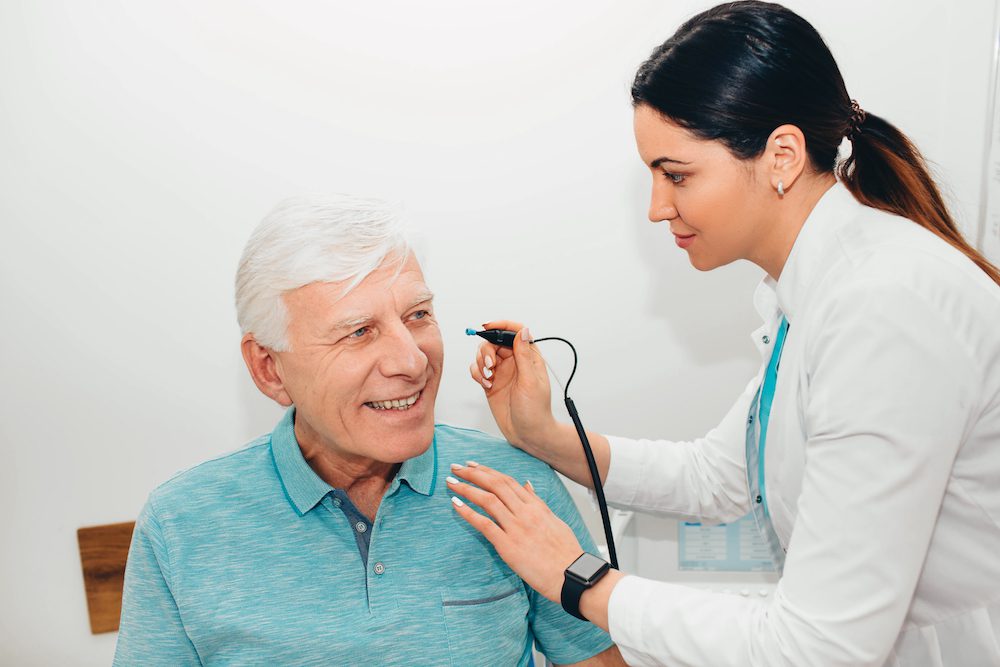
Hearing is one of the most vital sensory faculties, yet it is often assumed until problems arise. Many people experience hearing loss gradually, making it difficult to see changes in their oral abilities. A hearing aid test plays an important role in identifying these issues and ensuring that individuals obtain the appropriate support to maintain their quality lifestyle 聽力測試. By assessing hearing capacity and evaluating the requirement for amplification, this test provides valuable guidance for those seeking improved hearing.
A hearing aid test is not just a routine procedure; it is a comprehensive evaluation designed to understand the unique needs of each individual. The process typically begins with a detailed discussion of the patient’s hearing history. Professionals inquire about genealogy and family history, contact with loud environments, previous ear conditions, and the specific difficulties experienced in daily life. This information helps audiologists or hearing specialists target the test to provide accurate results.
Following the initial consultation, the actual hearing assessment begins. Pure tone audiometry is often used to measure the faintest sounds a person can detect at different frequencies. This test assess how well each ear feels high, mid, and low-pitched sounds. Speech audiometry may also be included to determine how clearly an individual may understand voiced words, especially in deafening environments. The results of these tests provide a detailed picture of hearing awareness and reveal any patterns of hearing loss.
A hearing aid test is specially valuable because it identifies what kind and seriousness of hearing loss. There are different forms of hearing disadvantages, including sensorineural, conductive, and mixed hearing loss. Sensorineural loss, the most common type, is caused by damage to the inner ear or oral neurological. Conductive loss involves problems with the ear canal, eardrum, or middle ear bone fragments. Good hearing assessment ensures that the correct hearing aid solution is recommended, exploiting the effectiveness of the device.
Beyond identifying the type of hearing loss, a hearing aid test can help determine the best hearing aid technology for an individual. Modern hearing aids offer a wide range of features, including noise reduction, directional microphones, Wireless bluetooth connection, and normal rechargeable batteries. However, not all devices are suitable for you personally. By doing a test, specialists can recommend devices that match the particular oral profile, lifestyle, and personal preferences of the patient.
Another critical selling point of a hearing aid test is early involvement. Studies have shown that neglected hearing loss can lead to social isolation, depression, cognitive decline, and decreased quality lifestyle. Early prognosis allows individuals to treat these challenges proactively. A timely hearing aid test helps people maintain social connections, perform better at work, and revel in daily activities without struggling to follow talks or environmental sounds.
Comfort and difference are also essential considerations during a hearing aid test. Modern hearing aids are small, very discreet, and highly custom, but each person’s ear shape, hearing loss profile, and lifestyle must be considered. During the test, audiologists may try different devices and program settings to determine which combination provides optimal comfort and clarity. This trial ensures that the user feels confident and delighted by their hearing aids before making a long-term commitment.
A hearing aid test can also uncover hidden hearing conditions that might otherwise go unseen. Some people experience hearing difficulties in mere certain situations, such as understanding speech in deafening environments or hearing high-frequency sounds. These subtle impairments can significantly impact daily life if left unaddressed. By going through a professional assessment, patients gain an extensive understanding of their hearing health, enabling them to take informed steps toward improvement.
The process of a hearing aid test is designed to be accessible and patient-friendly. Modern clinics provide comfortable testing environments, and audiologists explain each step clearly. Individuals should preferably ask questions, discuss concerns, and provide feedback about their hearing experiences. This collaborative approach ensures that the results are accurate and that the recommended hearing aids are well-suited to the individual’s needs.
Technology has further enhanced the effectiveness of hearing aid tests. Digital audiometers, advanced software, and real-time monitoring allow specialists to capture precise data and imitate real-life listening situations. Some hearing aid tests even incorporate smart phone apps or online tools, allowing preliminary screening before visiting a clinic. These technological advancements make hearing tests far more convenient and efficient, helping more people access the care they need.
A hearing aid test is not a one-time procedure but part of ongoing hearing care. Hearing can alter over time due to age, medical ailments, or continued contact with loud environments. Regular testing ensures that hearing aids remain properly calibrated and continue to provide optimal support. Follow-up evaluations allow audiologists to regulate device settings, recommend new technologies, or provide additional guidance for maintaining oral health.
For folks considering a hearing aid for the first time, a test also provides confidence and clarity. Many people hesitate to explore hearing aids due to misconceptions or concerns about comfort, cost, or appearance. By completing a professional assessment, patients gain confidence in their choices and understand the tangible benefits of amplification. This knowledge encourages individuals to take control of their hearing health without uncertainty.
Education is another key area of the hearing aid test process. Specialists provide assistance with how to use, clean, and look after hearing aids effectively. They also offer strategies for improving communication, such as positioning yourself in a room to maximize hearing, using assistive listening devices, and practicing oral training exercises. This comprehensive approach ensures that patients not only obtain the right device but also know how to integrate it faultlessly into daily life.
To sum up, a hearing aid test is an essential step for anyone experiencing hearing challenges or looking to improve their oral experience. It goes beyond basic assessment, offering personalized solutions, early involvement, and ongoing support for hearing health. By identifying what kind and seriousness of hearing loss, advocating suitable devices, and providing assistance with difference, a professional hearing aid test ensures that individuals can engage fully with the world around them. With proper evaluation and care, hearing aids can transform lives, making communication clearer, environments more enjoyable, and daily activities more accessible.
Regular hearing aid tests are a vital part of maintaining quality lifestyle, supporting mental and social well-being, and encouraging independence. Whether for adults experiencing age-related hearing loss, professionals come across deafening work environments, or individuals coping with medical ailments impacting hearing, these tests provide essential information. Taking the step to schedule a hearing aid test is an investment in long-term oral health, allowing individuals to continue connecting, communicating, and enjoying life to its fullest potential.
